
Why Access to Healthcare Still Matters in Rural India
For many rural families, healthcare is not only about medicine — it is about distance, cost, time, and trust. Closing that gap saves lives.
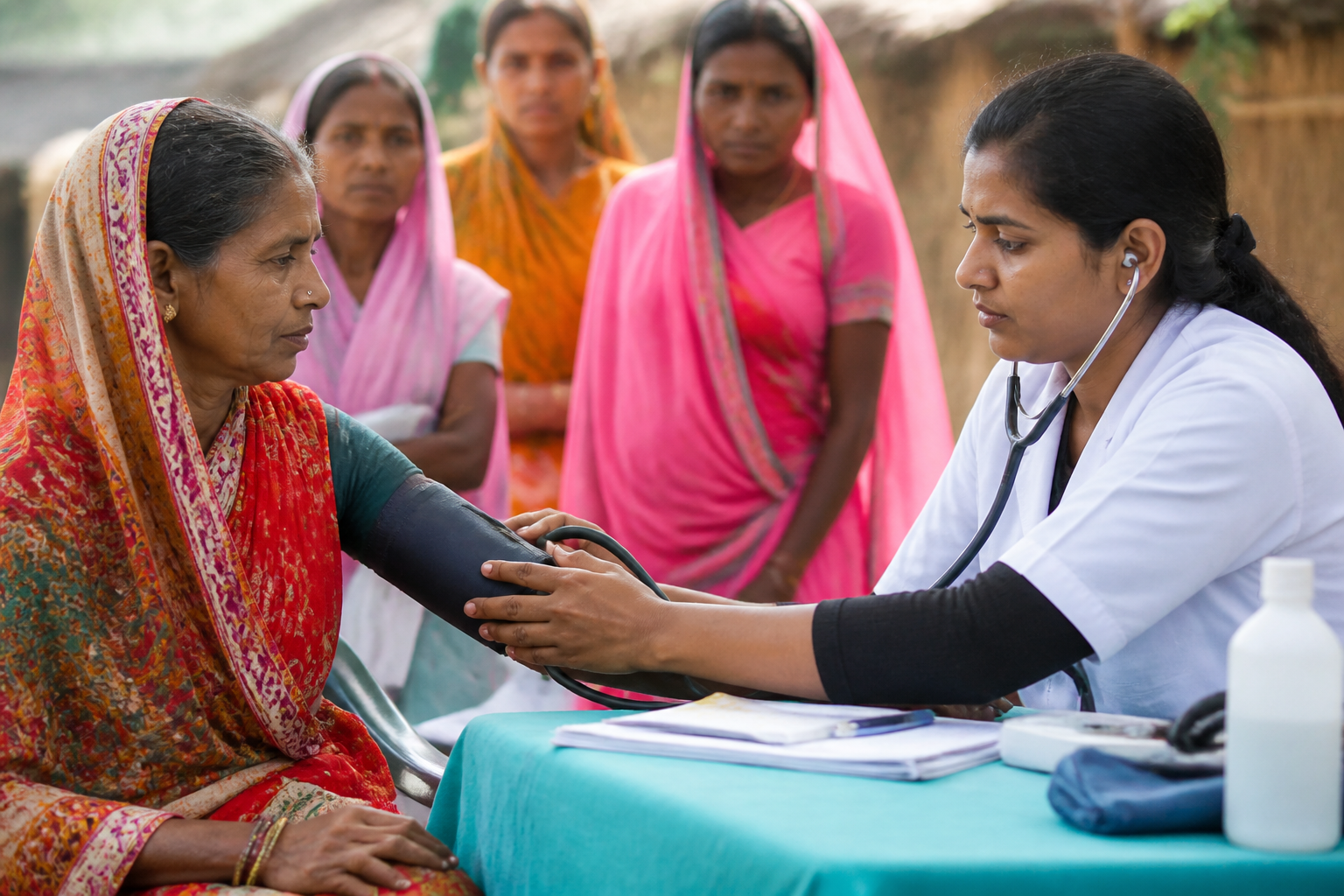
A large share of India’s population lives in rural areas, yet advanced medical facilities and specialists remain concentrated in cities. For many families, getting care means long travel, lost daily wages, and uncertainty that a doctor will even be available.
Because of these barriers, people often delay treatment until a small health issue becomes an emergency. Preventive check-ups, maternal care, child health support, and chronic disease management all suffer when access is difficult.
Healthcare access is also about awareness. Many communities need clear guidance on hygiene, nutrition, immunization, and when to seek medical help. Information, delivered with trust, can prevent illness before it starts.
Community-based solutions make a real difference. Mobile health camps, frontline health workers, medicine support, and local follow-up help bring care closer to people instead of forcing people to travel for every need.
Affordable and timely care protects family finances too. One delayed diagnosis can mean higher treatment costs, longer recovery, and deeper hardship for already vulnerable households.
Through healthcare outreach, SAANJ works to reduce these gaps — bringing check-ups, guidance, and support into communities that are too often left waiting.
Rural healthcare is not a luxury. It is a foundation of dignity, productivity, and long-term community wellbeing.
Help write the next story
Support a program or join as a volunteer.